



Understanding Liver Damage and Recovery from Hepatitis
Hepatitis is an inflammation of the liver and is caused by many viruses, including hepatitis A, B, C, D and E. The liver is responsible for a lot of body functions and filtering out harmful substances, so chronic inflammation can have an impact on general health. Any person suffering from jaundice, black urine, constant tiredness, nausea or abdominal discomfort should consult a Liver Specialist in Agra for the right evaluation and tests.
Stage 1: Viral Infection and Early Liver Inflammation
In viral hepatitis, the disease starts when a hepatitis virus enters the body and causes an infection in liver cells. As a result of this infection, the immune system reacts and inflammation occurs. In the beginning, certain individuals will have little to no symptoms.
When symptoms develop, they may include tiredness, fever, poor appetite, nausea, abdominal discomfort and joint pain. Various types of hepatitis viruses are transmitted differently, so it is important to identify through proper medical testing.
Stage 2: Acute Hepatitis and Symptoms
Inflammation can cause temporary impairment of liver function. This can lead to jaundice, dark urine and light stools. Acute hepatitis A usually doesn't lead to chronic liver disease; some individuals develop chronic liver disease from hepatitis B or C.
When symptoms are severe or persistent, it is important to monitor. Thebest liver specialist in Agra can help in understanding what is causing a patient's hepatitis and determine the level of liver function and appropriate liver supportive or liver treatment.
Stage 3: Chronic Liver Damage
Not all forms of hepatitis go on to become chronic. Hepatitis B and C, however, can cause long-term infection. Chronic liver inflammation can over time cause fibrosis (scars) in the liver. Fibrosis may develop into cirrhosis and lead to severe liver disease over the years if damage persists.
Early diagnosis and proper treatment will bring down these risks.
Stage 4: Recovery and Liver Healing
Hepatitis recovery depends on the type and seriousness of hepatitis. Hepatitis A is typically a mild and short-term illness; most people will eventually make a full recovery, although symptoms may last for several months. Mild rest, fluids and a good diet may be supportive care.
Patients should also refrain from alcohol, and they must talk to their doctor about any medication, supplement and herbal products they use, because these products can put strain on the liver as well.
Protecting Your Liver After Hepatitis
Follow-up appointments and certain blood tests can determine if liver inflammation has cleared up. Hepatitis A and B can be prevented by vaccination and avoiding exposure to infected blood is also important to minimise the risk of viral hepatitis if this happens through food and water.
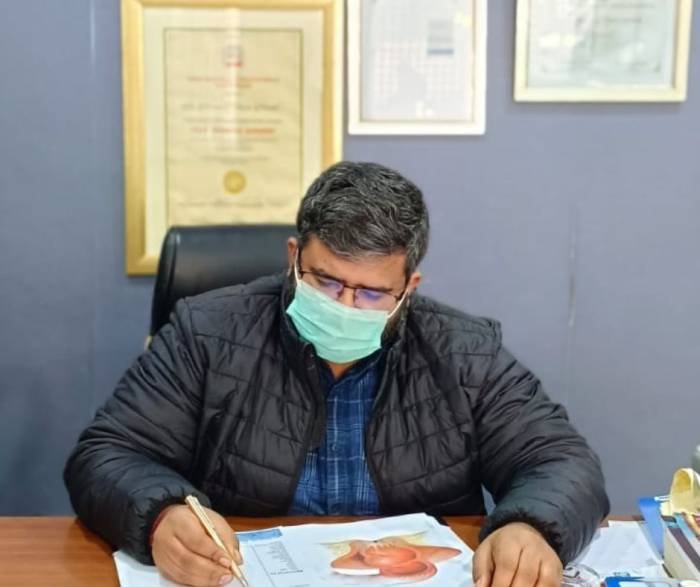
Dr Karan R Rawat at Safe Surgery Centre, Agra, is the expert professional for liver and digestive ailments and provides personal care and treatment accordingly.
Stage 1: Viral Infection and Early Liver Inflammation
In viral hepatitis, the disease starts when a hepatitis virus enters the body and causes an infection in liver cells. As a result of this infection, the immune system reacts and inflammation occurs. In the beginning, certain individuals will have little to no symptoms.
When symptoms develop, they may include tiredness, fever, poor appetite, nausea, abdominal discomfort and joint pain. Various types of hepatitis viruses are transmitted differently, so it is important to identify through proper medical testing.
Stage 2: Acute Hepatitis and Symptoms
Inflammation can cause temporary impairment of liver function. This can lead to jaundice, dark urine and light stools. Acute hepatitis A usually doesn't lead to chronic liver disease; some individuals develop chronic liver disease from hepatitis B or C.
When symptoms are severe or persistent, it is important to monitor. Thebest liver specialist in Agra can help in understanding what is causing a patient's hepatitis and determine the level of liver function and appropriate liver supportive or liver treatment.
Stage 3: Chronic Liver Damage
Not all forms of hepatitis go on to become chronic. Hepatitis B and C, however, can cause long-term infection. Chronic liver inflammation can over time cause fibrosis (scars) in the liver. Fibrosis may develop into cirrhosis and lead to severe liver disease over the years if damage persists.
Early diagnosis and proper treatment will bring down these risks.
Stage 4: Recovery and Liver Healing
Hepatitis recovery depends on the type and seriousness of hepatitis. Hepatitis A is typically a mild and short-term illness; most people will eventually make a full recovery, although symptoms may last for several months. Mild rest, fluids and a good diet may be supportive care.
Patients should also refrain from alcohol, and they must talk to their doctor about any medication, supplement and herbal products they use, because these products can put strain on the liver as well.
Protecting Your Liver After Hepatitis
Follow-up appointments and certain blood tests can determine if liver inflammation has cleared up. Hepatitis A and B can be prevented by vaccination and avoiding exposure to infected blood is also important to minimise the risk of viral hepatitis if this happens through food and water.
Dr Karan R Rawat at Safe Surgery Centre, Agra, is the expert professional for liver and digestive ailments and provides personal care and treatment accordingly.