



Surprising Insights About Your Gallbladder and Stone Treatment
The gallbladder is a small, pear-shaped organ tucked beneath your liver, often overlooked until it causes trouble. It performs the crucial task of storing and concentrating bile, a digestive fluid produced by the liver that is essential for breaking down fats . While many people live their whole lives without thinking about it, this tiny organ can be the source of significant health issues.
10 Surprising Facts You Might Not Know
1. Size and Capacity: Despite being only 7 to 10 centimeters long, the gallbladder can hold about 30 to 80 milliliters of bile . This concentrated fluid is released when you eat fatty foods.
2. Bile Production: The liver produces a substantial amount of bile—about 800 to 1,000 milliliters daily—but most of it is stored and concentrated in the gallbladder between meals .
3. Silent Stones: A large number of people have gallstones without experiencing any symptoms. These "silent" stones are often discovered by accident during tests for other conditions .
4. Types of Stones: Gallstones are not all the same. About 80% are cholesterol stones, while the rest are pigmented stones (black or brown), which are linked to other conditions like infections or blood disorders .
5. Risk Factors: The classic risk factors for gallstones are summed up as the "4 F's": Female, Fat, Fertile, and Forty. Estrogen, obesity, and age all play significant roles .
6. Pain After Meals: A classic symptom of a gallstone attack is pain in the upper right abdomen that worsens after a heavy, fatty meal. This happens because the gallbladder is forced to contract against a blockage .
7. Mimicking Other Issues: Gallbladder pain can be deceptive. It can be mistaken for heartburn, indigestion, or even a heart attack, making diagnosis tricky .
8. Post-Surgery Diarrhea: After gallbladder removal, some people experience chronic diarrhea. The continuous drip of bile into the intestine can act as a laxative .
9. Living Without It: You can live a healthy life without a gallbladder. After surgery, bile flows directly from the liver to the intestine. Your body adapts, though you may need to watch your fat intake .
10. Common Surgery: Gallbladder removal is one of the most frequently performed surgical procedures in the world, a testament to how common gallstone issues are .
When to See a Specialist
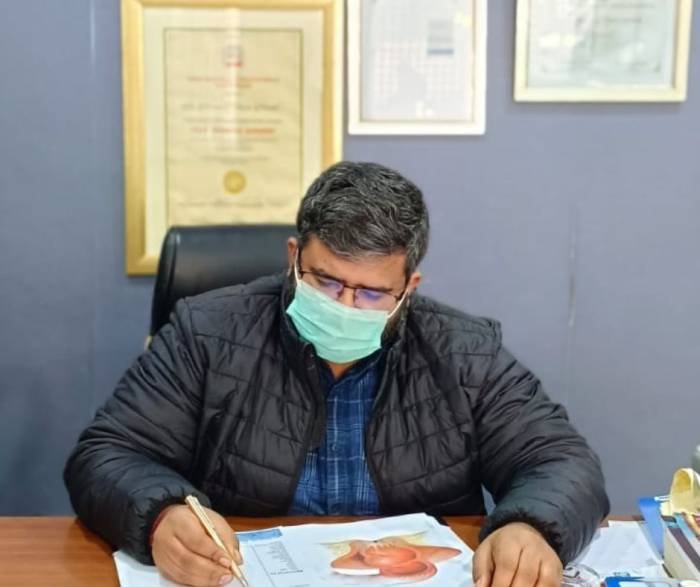
If you experience severe abdominal pain, especially in the upper right area, that radiates to your back, nausea, or jaundice (yellowing of the skin), it’s time to see a doctor . For expert care, seeking the right specialist is vital. If you are looking for a gallbladder stone doctor in Agra, it is important to find a surgeon with experience in advanced techniques. The best gallbladder stone doctor in Agra typically offers comprehensive care, from diagnosis with state-of-the-art imaging to treatment with minimally invasive laparoscopic surgery, which allows for a faster recovery . Consult with a qualified specialist today to discuss your symptoms and explore the most effective treatment options for a pain-free future.
10 Surprising Facts You Might Not Know
1. Size and Capacity: Despite being only 7 to 10 centimeters long, the gallbladder can hold about 30 to 80 milliliters of bile . This concentrated fluid is released when you eat fatty foods.
2. Bile Production: The liver produces a substantial amount of bile—about 800 to 1,000 milliliters daily—but most of it is stored and concentrated in the gallbladder between meals .
3. Silent Stones: A large number of people have gallstones without experiencing any symptoms. These "silent" stones are often discovered by accident during tests for other conditions .
4. Types of Stones: Gallstones are not all the same. About 80% are cholesterol stones, while the rest are pigmented stones (black or brown), which are linked to other conditions like infections or blood disorders .
5. Risk Factors: The classic risk factors for gallstones are summed up as the "4 F's": Female, Fat, Fertile, and Forty. Estrogen, obesity, and age all play significant roles .
6. Pain After Meals: A classic symptom of a gallstone attack is pain in the upper right abdomen that worsens after a heavy, fatty meal. This happens because the gallbladder is forced to contract against a blockage .
7. Mimicking Other Issues: Gallbladder pain can be deceptive. It can be mistaken for heartburn, indigestion, or even a heart attack, making diagnosis tricky .
8. Post-Surgery Diarrhea: After gallbladder removal, some people experience chronic diarrhea. The continuous drip of bile into the intestine can act as a laxative .
9. Living Without It: You can live a healthy life without a gallbladder. After surgery, bile flows directly from the liver to the intestine. Your body adapts, though you may need to watch your fat intake .
10. Common Surgery: Gallbladder removal is one of the most frequently performed surgical procedures in the world, a testament to how common gallstone issues are .
When to See a Specialist
If you experience severe abdominal pain, especially in the upper right area, that radiates to your back, nausea, or jaundice (yellowing of the skin), it’s time to see a doctor . For expert care, seeking the right specialist is vital. If you are looking for a gallbladder stone doctor in Agra, it is important to find a surgeon with experience in advanced techniques. The best gallbladder stone doctor in Agra typically offers comprehensive care, from diagnosis with state-of-the-art imaging to treatment with minimally invasive laparoscopic surgery, which allows for a faster recovery . Consult with a qualified specialist today to discuss your symptoms and explore the most effective treatment options for a pain-free future.