



Common Causes of Flatulence and Ways to Prevent Gas
Gas (flatulence) is a normal event during digestion. Occurs when gas accumulates in the digestive system and leaves the body via the rectum. They may have occasional gas, but if they occur more often or is more gas than usual, with cramps, bloating, or bowel movement changes, it's worth attention. A Gastroenterologist in Agra may be able to determine whether chronic gas is related to diet, food sensitivity or if there's a digestive ailment.
What Causes Flatulence?
Gas can form in two ways: swallowing the air when eating or drinking, and from bacteria in the large intestine digesting carbohydrates that can't be fully absorbed.
Common triggers include:
• Eating beans, lentils, cabbage, broccoli, cauliflower, and certain high-fibre foods
• Drinking carbonated beverages
• Eating too quickly or talking while eating
• Chewing gum or sucking hard candies
• Consuming certain artificial sweeteners, such as sorbitol
• Lactose or other food intolerances
• Constipation
Excessive gas can also be caused by digestive diseases, like irritable bowel syndrome (IBS), coeliac disease, lactose intolerance, and small intestinal bacterial overgrowth.
Common Symptoms of Excess Gas
Passing wind is normal, but excessive flatulence can cause cramps, pressure, or feeling full, abdominal bloating or distention, or belching and frequent passing wind.
If these symptoms occur regularly or interfere with everyday activities, consulting the Best Gastroenterologist in Agra can help determine the underlying cause and appropriate treatment.
How Can You Prevent Excessive Gas?
Changes in diet are usually effective in decreasing uncomfortable gas. Slow down, chew your food and try eating smaller, more frequent meals. Reducing fizzy drinks, chewing gum and foods that often cause symptoms can also be beneficial. Exercise stimulates the digestive system.
Don't unnecessarily restrict foods that are nutritious and high in fibre, unless professional advice is given. Rather, monitor foods that consistently lead to discomfort and talk with your doctor about them.
When Should You See a Doctor?
If the gas continues or is very strong, especially if there is continuous abdominal pain, diarrhoea, constipation, blood in the stools, vomiting or loss of weight, consult medical help. A Top Gastroenterologist in Agra can assess the persistent symptoms and suggest appropriate dietary modifications, testing or treatment.
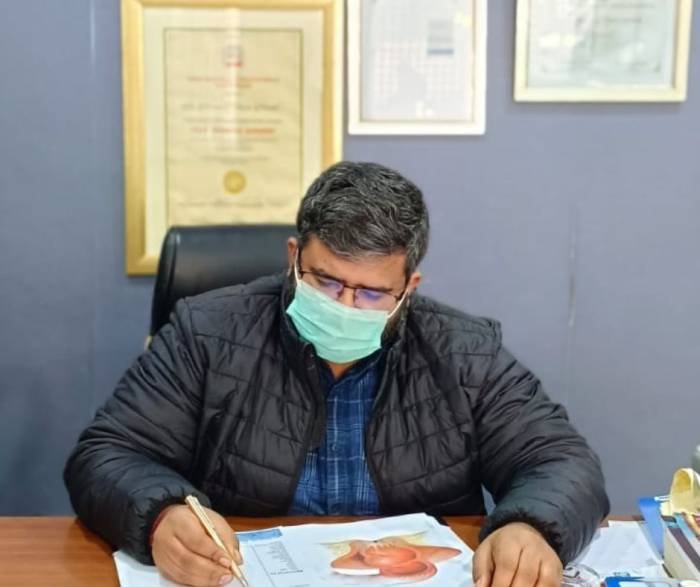
For specialist assessment and individualised treatment for digestive issues, visit Dr. Karan R Rawat at Safe Surgery Center.
What Causes Flatulence?
Gas can form in two ways: swallowing the air when eating or drinking, and from bacteria in the large intestine digesting carbohydrates that can't be fully absorbed.
Common triggers include:
• Eating beans, lentils, cabbage, broccoli, cauliflower, and certain high-fibre foods
• Drinking carbonated beverages
• Eating too quickly or talking while eating
• Chewing gum or sucking hard candies
• Consuming certain artificial sweeteners, such as sorbitol
• Lactose or other food intolerances
• Constipation
Excessive gas can also be caused by digestive diseases, like irritable bowel syndrome (IBS), coeliac disease, lactose intolerance, and small intestinal bacterial overgrowth.
Common Symptoms of Excess Gas
Passing wind is normal, but excessive flatulence can cause cramps, pressure, or feeling full, abdominal bloating or distention, or belching and frequent passing wind.
If these symptoms occur regularly or interfere with everyday activities, consulting the Best Gastroenterologist in Agra can help determine the underlying cause and appropriate treatment.
How Can You Prevent Excessive Gas?
Changes in diet are usually effective in decreasing uncomfortable gas. Slow down, chew your food and try eating smaller, more frequent meals. Reducing fizzy drinks, chewing gum and foods that often cause symptoms can also be beneficial. Exercise stimulates the digestive system.
Don't unnecessarily restrict foods that are nutritious and high in fibre, unless professional advice is given. Rather, monitor foods that consistently lead to discomfort and talk with your doctor about them.
When Should You See a Doctor?
If the gas continues or is very strong, especially if there is continuous abdominal pain, diarrhoea, constipation, blood in the stools, vomiting or loss of weight, consult medical help. A Top Gastroenterologist in Agra can assess the persistent symptoms and suggest appropriate dietary modifications, testing or treatment.
For specialist assessment and individualised treatment for digestive issues, visit Dr. Karan R Rawat at Safe Surgery Center.